Social Token Liquidity Risk Calculator
Enter your token details to see potential losses based on liquidity risk statistics from the article.
Buying a social token feels like backing your favorite creator directly. You’re not just investing in a coin-you’re investing in someone. Maybe it’s a musician, a YouTuber, or a niche community leader. The promise? Exclusive content, early access, voting rights, even a slice of future earnings. It sounds personal. It feels fair. But beneath the surface, these tokens are among the riskiest assets in crypto-and most people don’t realize how dangerous they are until it’s too late.
They’re Not Coins. They’re Reputation-Based Bets
Bitcoin has a fixed supply. Ethereum has a network. Social tokens? They have a person. And people change. People disappear. People get canceled. When the creator stops posting, gets into a scandal, or just loses interest, the token’s value doesn’t just dip-it collapses. Look at the Drama Token case from July 2025: one public argument by the creator triggered a 92% price crash in under three days. No technical flaw. No hack. Just a tweet.
That’s the core problem. Social tokens aren’t valued by utility, adoption, or code. They’re valued by sentiment. And sentiment is fickle. A creator with 500,000 followers might seem safe. But if 80% of those followers are bots or casual fans who bought the token hoping to flip it, the real demand is razor-thin. When the hype fades, so does the price.
Liquidity Is a Myth
You think you can sell when you want? Think again. Over 61% of social tokens have less than $500,000 in total liquidity across all exchanges. That’s less than what some individual traders hold in Bitcoin. When you try to sell even a small amount, the market can’t absorb it. Slippage isn’t a buzzword here-it’s a guarantee. You might list 1,000 tokens at $1 each. You end up selling 800 at $0.20 because there’s no buyer at your price.
Compare that to Bitcoin, which trades $28.5 billion daily. Or even Ethereum, at $19.2 billion. The average social token? $187,000. That’s 152 times less liquid. Chainalysis found social tokens are the most manipulated asset class in crypto-not because they’re hacked, but because a few big holders can move the price with a single trade.
Creators Own the Keys (And They Can Run)
Most social tokens are controlled by a single wallet. The creator holds the treasury. They decide when to burn tokens, when to distribute rewards, and when to pull the plug. Only 54% of projects use multi-signature wallets. That means one person can drain the funds, delete the Discord, and vanish. And they often do.
TokenUnlocks.io found that 42% of social token projects have vesting cliffs under six months. That means early investors and the creator themselves can sell their entire allocation just months after launch. In one case, a popular Twitch streamer launched a token in January 2025. By June, they’d sold 70% of their holdings and stopped posting. The token dropped 94%.
Regulators Are Coming for You
The SEC has opened 142 investigations into social tokens in Q3 2025 alone. That’s 38% of all crypto investigations. Why? Because many of these tokens look like unregistered securities. If a creator promises future profits-like revenue shares, exclusive merchandise, or voting rights-the SEC says that’s a security. And securities require registration, disclosures, and compliance.
The UK’s FCA forced 38% of small creator tokens off exchanges in July 2025 because they didn’t hold 12 months of operational reserves. The EU’s MiCA rules now treat many social tokens as asset-referenced tokens, meaning they must meet strict capital and transparency standards. Most can’t. And if your token gets delisted? It’s dead. No exchange. No liquidity. No exit.
The ‘Kim Kardashian Effect’ Is Real
When a celebrity launches a social token, the price spikes. Then it crashes. TRM Labs found that 63% of celebrity-backed social tokens lose over 90% of their value within 90 days. Why? Because fans don’t care about the token. They care about the celebrity. Once the promo ends, so does the demand.
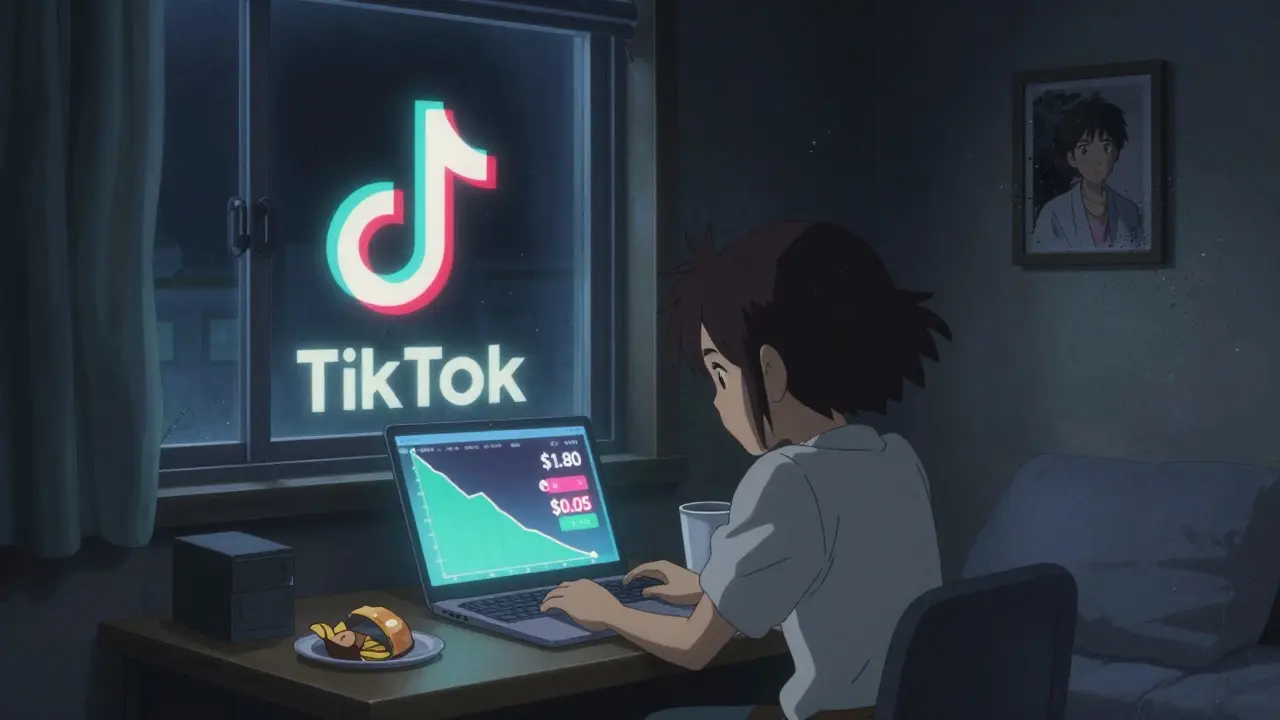
ArtistCoin, launched by a rising indie musician in early 2025, hit $1.80 on launch day. Within 48 hours, the artist signed with a major label and announced they were ditching the token. Price? $0.05. Investors lost 97%. There was no fraud. No scam. Just a creator making a business decision-and leaving investors holding worthless digital receipts.
Most Projects Die Within 34 Months
Morgan Stanley’s data shows social tokens survive an average of 34 months before vanishing from exchanges. DeFi tokens? 58 months. That’s less than three years. And it’s not because they’re hacked. It’s because creators burn out. Communities lose steam. Platforms change algorithms. Tokens get delisted. And when they’re gone? There’s no recourse. No customer support. No refund.
Reddit’s r/CryptoCurrency documented 2,847 social token failures between January and September 2025. The top complaint? “Abandoned projects.” 41% of cases involved creators who stopped engaging entirely but kept the tokens live-just to collect fees or hold onto control. Meanwhile, Trustpilot reviews for social token platforms average just 2.1 out of 5 stars. The most common complaint? “I couldn’t sell without losing half my money.”
There’s No Safety Net
Unlike stocks or even DeFi protocols, social tokens have no insurance. No FDIC. No audit guarantees. No recovery process. If the team disappears, your tokens become digital dust. Even if the project is “legit,” there’s no legal framework to protect you. You’re not a shareholder. You’re not a customer. You’re a speculator betting on someone’s online persona.
Only 22% of social token projects maintain active Discord support beyond six months. That means if you have a question, you’re on your own. No help desk. No ticket system. No email response. Just silence.
Even the “Good” Ones Are Risky
Some social tokens do survive. The Patreon Token, integrated into the platform’s ecosystem in 2024, kept 85% of its value during the 2025 market crash. Why? Because it had real utility-it gave holders voting rights on platform features and discounts on creator tools. It wasn’t just a bet on a person. It was a tool.
But even those are rare. Only 15% of social tokens today are “hybrid” models with verifiable revenue sharing or real utility. The rest? Pure speculation wrapped in a community vibe. And when the vibe fades, so does the value.
What Should You Do?
If you still want to try social tokens, treat them like gambling-not investing. Fidelity recommends allocating no more than 1-3% of your entire crypto portfolio to them. And never put more than 0.25% into a single token. That way, if it goes to zero, you won’t lose your rent money.
Do your homework. Don’t just follow a creator’s hype. Check their tokenomics: Is the supply inflationary? Are team tokens locked? Is there real liquidity? Is the project on Ethereum or Solana? (Most are on Ethereum, which means higher fees and slower transactions.)
And ask yourself: If this creator vanished tomorrow, would this token still have any value? If the answer is no, then you’re not investing. You’re betting on their popularity. And popularity is temporary.
The truth? Social tokens are the Wild West of crypto. They’re not for long-term investors. They’re not for the risk-averse. They’re for people who understand that they’re buying a piece of someone’s internet fame-and that fame can vanish faster than a TikTok trend.
Are social tokens a good investment?
For most people, no. Social tokens are extremely volatile, illiquid, and tied to the personal reputation of a single creator. If that creator loses interest, gets into trouble, or simply stops posting, the token’s value can collapse overnight. Only a tiny fraction of social tokens have real utility or sustainable demand. Treat them as high-risk speculation, not investment.
Can I lose all my money in social tokens?
Yes. In fact, most do. Between January and September 2025, over 2,800 social token projects failed on Reddit alone. Many dropped 90% or more in value within weeks. Some vanished entirely. There’s no guarantee of recovery, no insurance, and no legal recourse. If the creator walks away, your tokens become worthless.
Why are social tokens more risky than Bitcoin or Ethereum?
Bitcoin and Ethereum have decentralized networks, global adoption, and deep liquidity. Social tokens depend entirely on one person or small group. Their value comes from hype, not technology. Average 24-hour trading volume for a social token is $187,000-152 times lower than Bitcoin. That makes them easy to manipulate and impossible to exit without massive losses.
Are social tokens legal?
Many aren’t. The SEC has opened 142 investigations into social tokens for potential unregistered securities offerings. If a token promises future profits-like revenue sharing, voting rights, or exclusive access-it may be classified as a security. That means it must comply with strict financial regulations. Most don’t. And if regulators crack down, exchanges will delist them instantly.
How can I tell if a social token is a scam?
Look for red flags: no clear tokenomics, team tokens unlocked immediately, low liquidity ($500K or less), no active community, and promises of guaranteed returns. Scams often use celebrity endorsements or fake engagement metrics. Check TokenSniffer or CertiK for audits. If the project has no public documentation or team info, walk away.
Should I invest in social tokens if I’m a beginner?
No. Social tokens require deep research into creator behavior, community health, and tokenomics-skills even experienced traders struggle with. Beginners should stick to well-established assets like Bitcoin or Ethereum. If you’re curious, treat social tokens like lottery tickets: only risk money you can afford to lose completely.
Madison Agado
December 7, 2025 AT 11:10It’s wild how we treat people like startups now. You wouldn’t buy stock in a friend just because they’re good at posting selfies, but somehow a token makes it okay? We’ve turned human connection into a speculative asset class-and then act surprised when it blows up. The real risk isn’t the market. It’s us. We’re the ones who forgot how to value things without a price tag.
Nelson Issangya
December 7, 2025 AT 16:28Y’all are acting like this is news. I told my cousin last year not to buy that ‘ArtisanCoin’ crap. He lost $8k. He still texts me every month like ‘bro why did I listen to you?’ Bro, you wanted to feel like you were part of something cool. Now you’re just part of the graveyard. Wake up. This isn’t investing. It’s digital fanclub membership with extra steps.
Scott Sơn
December 9, 2025 AT 09:13OH MY GOD. I JUST WATCHED A TIKTOKER I FOLLOWED LAUNCH A TOKEN. $200 IN. 48 HOURS LATER? SHE GOT A RECORD DEAL AND ABANDONED IT. THE TOKEN IS NOW WORTH $0.03. I’M SITTING HERE WITH A DIGITAL TRASH CAN THAT I THOUGHT WAS A GOLDMINE. I’M NOT MAD. I’M JUST DISAPPOINTED. THIS IS THE MODERN VERSION OF BUYING A VHS OF A LOCAL BAND’S FIRST SHOW AND REALIZING THEY’RE NOW ON BILLBOARDS. BUT NOW YOU CAN’T EVEN RETURN IT.
Stanley Wong
December 11, 2025 AT 01:43you know what's funny about all this is that people act like social tokens are new but they're just the latest version of the same thing we've always done which is betting on people's popularity and then being shocked when popularity fades like when you buy a tshirt from a band you think is gonna blow up and then they break up in six months and you're stuck with it and no one wants it anymore and you can't even give it away because it's just fabric and bad memories
Kenneth Ljungström
December 11, 2025 AT 08:10if you're thinking about jumping in just remember: this isn't crypto it's fandom with a wallet. and fandom is emotional not financial. if you're buying because you love someone's content then cool. but if you're buying because you think you'll get rich? you're already losing. i've seen too many people get crushed because they confused loyalty with liquidity. and honestly? that's on us. we made this mess by turning art into a ticker symbol.
Tom Van bergen
December 11, 2025 AT 11:29the real scam is that people think they're investing when they're just paying for a front row seat to someone's ego trip. bitcoin has math. ethereum has code. social tokens have vibes and vibes are the most volatile currency ever invented. also why does everyone act like the sec is the villain? maybe they're the only adults in the room trying to stop this circus
Sandra Lee Beagan
December 12, 2025 AT 02:38the liquidity issue is real. i checked a few tokens on dexscreener and the depth charts look like a flatline with a single spike. no wonder people can't exit. and the regulatory angle? huge. mica and sec are coming for this like a tide. most projects don't even have a legal opinion let alone a compliance team. i've seen creators say 'it's just a community thing'-but if it promises revenue sharing or voting rights? it's a security. period. and if you're holding one? you're playing russian roulette with your portfolio.
michael cuevas
December 13, 2025 AT 08:12so let me get this straight you spent $5k on a token because some guy on twitch said 'buy my coin and you're part of the fam' and now you're mad he got a better offer? bro you paid for a hype train ticket and then got upset when the train left the station. this isn't finance it's fanfiction with a blockchain. stop pretending you're a trader. you're just a guy who wanted to feel special.
Nina Meretoile
December 13, 2025 AT 16:17i get it. you want to support your favorite creator. but you don’t need a token to do that. buy merch. tip them. subscribe. join their patreon. the token just adds a layer of gambling on top of something that was already beautiful. and when it crashes? you’re not just losing money-you’re losing trust in the person you admired. that’s the real cost. and it’s not something you can recover with a hard fork.
Barb Pooley
December 13, 2025 AT 16:19what if this is all just a psyop? like… what if the creators know this is gonna crash and they’re just pumping it to cash out? i mean look at the timing. every single one launches right after a viral video. and then poof. gone. and the devs? they’re all on discord saying 'it’s just a community thing' while they’re buying yachts. i think this is a coordinated exit scam disguised as empowerment. the whole thing is a rigged casino and we’re the suckers.
Shane Budge
December 13, 2025 AT 17:36liquidity under $500k? that’s a death sentence.
sonia sifflet
December 14, 2025 AT 00:33you think this is bad? wait till india bans all social tokens. we already have 3000+ projects here. most are just influencers with no tech background selling dreams. they dont even know what a smart contract is. they just copy paste from youtube tutorials. and now they are crying because their tokens are dead. this is why crypto needs regulation. not because it's evil but because people are stupid and need protection
Adam Bosworth
December 15, 2025 AT 05:50the real tragedy is that the creators who actually care are getting dragged down by the frauds. i know a musician who built a real token with revenue sharing and community voting. spent 18 months on it. got zero press. meanwhile some guy on tiktok launches a token called 'vibescoin' with a cartoon cat and it hits 200k market cap. then he vanishes. now everyone thinks all social tokens are scams. the honest ones are the ones who suffer. and that’s just sad.
Uzoma Jenfrancis
December 16, 2025 AT 16:24in africa we dont have this problem. we dont have the infrastructure to even launch these tokens. but when they come here? they’re sold to kids who think it’s a way to get rich quick. we dont need your crypto drama. we need electricity. we need schools. we need water. you think your $500 loss matters? we lose everything every day and no one cares. so please stop pretending this is a revolution. its just another way for rich americans to gamble with other peoples dreams.