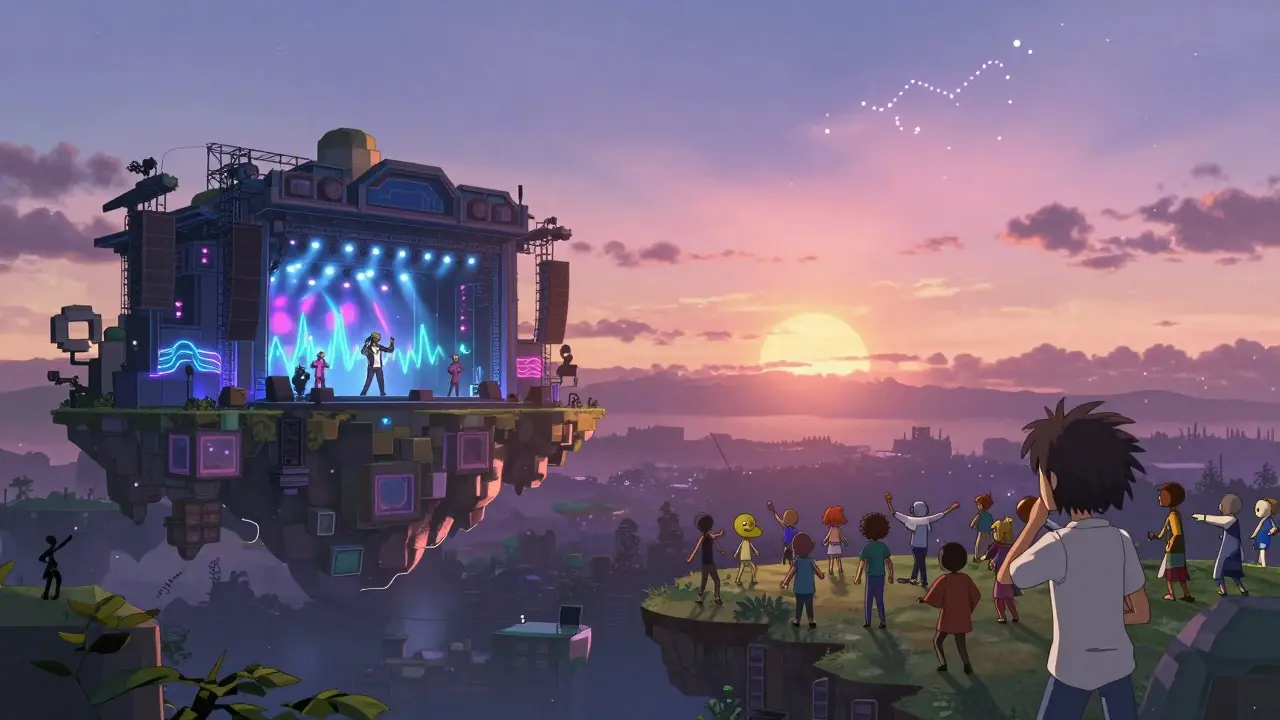
By 2025, the metaverse isn’t just a buzzword anymore-it’s a working digital economy where people buy land, host concerts, run businesses, and earn real money just by playing games. These aren’t sci-fi fantasies anymore. They’re live platforms built on blockchain, powered by NFTs, and fueled by real users. If you’re wondering which metaverse projects actually matter today, here are the ones making the biggest impact.
The Sandbox (SAND): The OG Metaverse with Real-World Partnerships
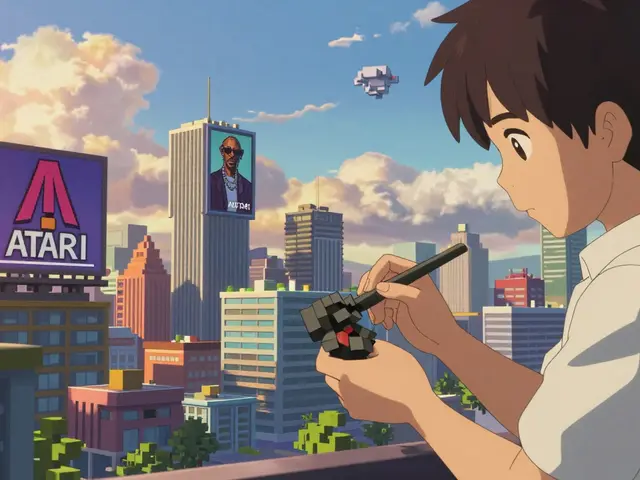
The Sandbox has been around longer than most. Launched in 2018 on Ethereum, it started as a simple voxel-building game and grew into a full-blown virtual universe. What sets it apart? Real brands. Atari, CryptoKitties, Snoop Dogg, and The Walking Dead all have their own zones inside The Sandbox. You don’t just explore a fantasy world-you walk into a virtual concert by Snoop Dogg or shop at an Atari arcade.
The whole economy runs on the SAND the native token of The Sandbox platform used for transactions, staking, and governance. Users create assets using VoxEdit, build games with Game Maker (no coding needed), and sell them on the Marketplace. In 2025, The Sandbox added staking on Polygon, slashing transaction fees to zero and giving weekly rewards to users. It’s not just a game-it’s a decentralized economy with over 10 million registered users.
Decentraland (MANA): The Virtual Real Estate Powerhouse
If you think buying land in the metaverse is a joke, look at Decentraland. This platform lets users own, build on, and rent out digital land parcels-just like real estate. In 2025, some plots sold for over $100,000. Why? Because businesses are using them.
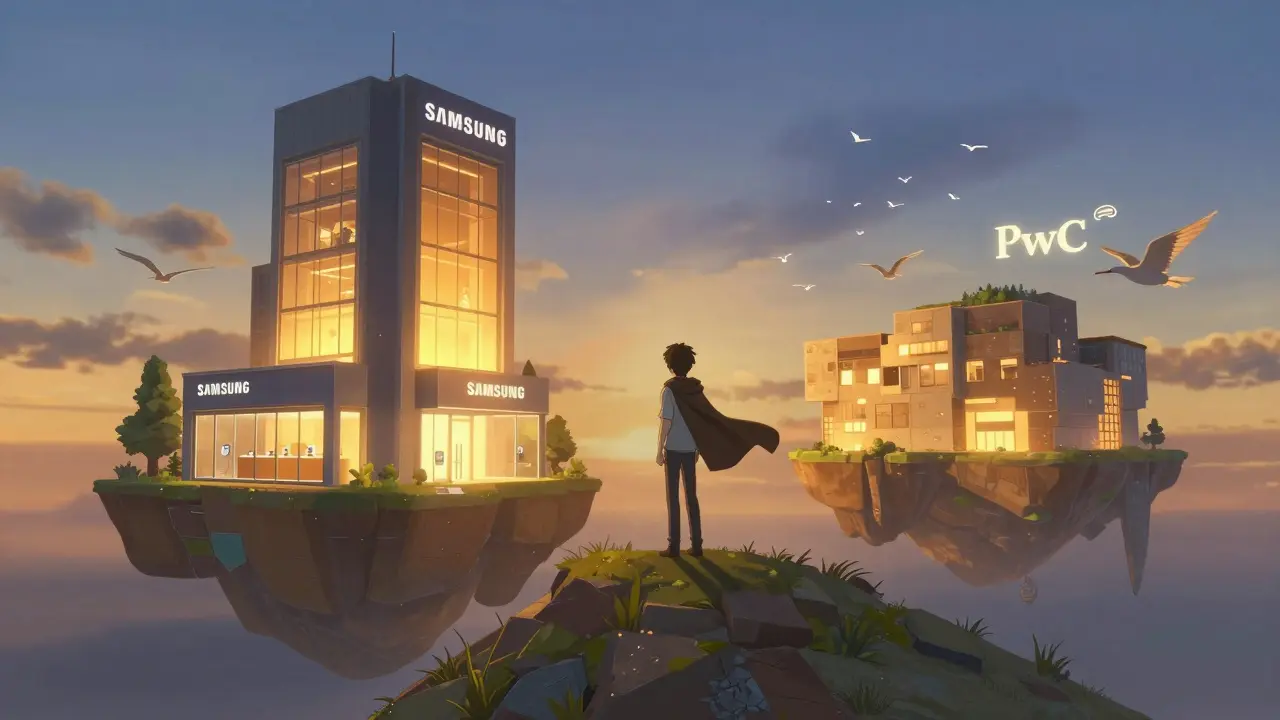
Brands like Samsung, Adidas, and PwC have set up virtual stores and event spaces. You can attend a fashion show, visit a museum, or even take a crypto class-all inside Decentraland. The MANA the utility and governance token of Decentraland, used to purchase land and vote on platform decisions token powers everything: buying land, paying for services, and voting on upgrades. With over 250,000 monthly active users, Decentraland isn’t just a game. It’s the closest thing we have to a digital city.
Axie Infinity (AXS): The Play-to-Earn Pioneer
Axie Infinity didn’t just popularize play-to-earn-it defined it. Players collect, breed, and battle digital creatures called Axies, earning AXS the governance token of Axie Infinity, used for staking and voting on game upgrades and Smooth Love Potion (SLP) tokens. In 2022, the game faced a major hack, but it didn’t collapse. Instead, it rebuilt with better security and a more sustainable economy.
Today, over 1.2 million daily active users play Axie Infinity, mostly in Southeast Asia, where many players earn more from the game than from their day jobs. The game’s success proved that blockchain gaming can be more than a gimmick-it can be a livelihood. In 2025, new game modes and land expansion features are pushing it further into the mainstream.
Illuvium (ILV): AAA Gaming Meets Blockchain
Most blockchain games look like they were made in 2015. Illuvium doesn’t. It’s built on Unreal Engine 5, with cinematic graphics, deep RPG mechanics, and a lore-rich world that rivals top-tier video games. Players collect Illuvials-unique creatures that act as NFTs-and use them in turn-based battles, exploration, and crafting.
The ILV the governance and utility token of Illuvium, used for staking, rewards, and access to premium features token isn’t just for trading. It’s used to vote on game updates, earn rewards, and unlock exclusive content. Unlike many projects that chase hype, Illuvium focuses on making a game people actually want to play-whether they know what a blockchain is or not. Its beta launch in late 2024 drew 800,000 sign-ups in under 48 hours.
Floki Inu Valhalla: From Meme Coin to Metaverse
Floki Inu started as a dog-themed meme coin. By 2025, it became one of the most ambitious metaverse projects. Its new game, Valhalla, is a play-to-earn NFT battle arena set in a Viking-themed world. Players fight, build, and explore to earn FLOKI tokens.
The mainnet launched in June 2025 as planned, turning Floki from a joke into a functional ecosystem. Valhalla includes land NFTs, weapon upgrades, and guild-based warfare-all tied to the FLOKI token economy. What makes it stand out? It’s one of the few meme coins that actually delivered on its roadmap. Analysts now see Valhalla as a potential top-10 metaverse platform by 2026.
MetaHero: Your Real Body in the Metaverse
What if you could step into the metaverse as yourself-not an avatar, but your exact 3D replica? MetaHero makes that possible. Using smartphone scans and AI, users create hyper-realistic digital twins of their bodies. These avatars work across multiple metaverse platforms, not just one.
The HERO the utility token of MetaHero, used to pay for 3D scanning, avatar creation, and cross-platform access token powers the scanning service and marketplace. With a $11.8 million market cap and over $1.29 million in daily trades, demand is real. Game developers use MetaHero’s tech to populate their worlds with lifelike characters. It’s not flashy, but it’s foundational-like giving every metaverse a universal ID system.
Virtuals Protocol: AI Agents That Own Themselves
Imagine an AI character that lives in the metaverse, earns money, and even pays you a cut. That’s Virtuals Protocol. Users create AI agents-think digital assistants with personalities-and tokenize them on the blockchain. These agents can work in virtual stores, answer questions in chat rooms, or even host events.
They’re not just tools-they’re autonomous digital entities. Owners earn revenue when their agents are used, and the community votes on upgrades. This isn’t science fiction. The first AI agents are already generating over $50,000 a month in passive income for their creators. Virtuals Protocol is the first step toward AI-driven economies in the metaverse.
Derby Stars: Horse Racing Meets Blockchain
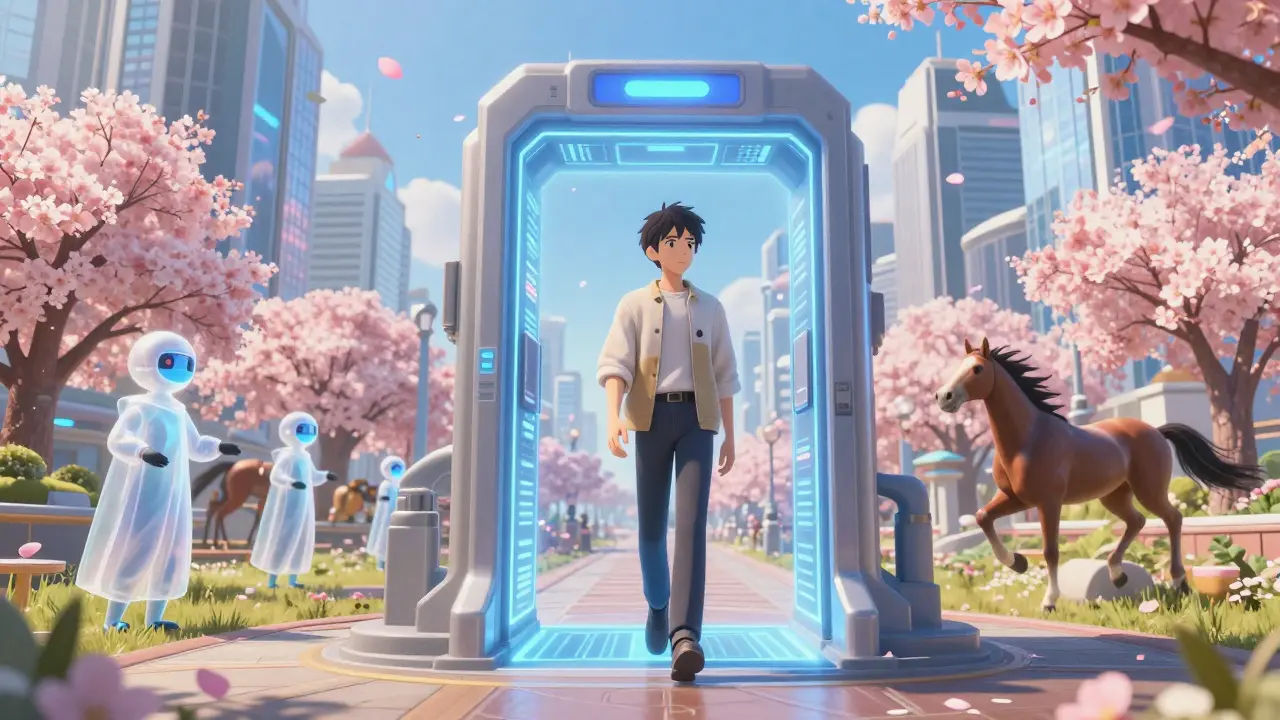
Derby Stars is a niche project, but it’s brilliant in its simplicity. It’s a horse racing game built on Polygon, where players breed, train, and race digital horses. Each horse is an NFT. You earn RUN tokens for racing and CRT tokens for training.
What makes it work? It’s easy. No complex crypto jargon. No wallet setup nightmares. You can start playing with just a phone. Over 300,000 players joined in its first six months. It’s proof that the metaverse doesn’t need to be complicated to succeed. Sometimes, all you need is a good game and low fees.
VulcanVerse: Fantasy Worlds Built on NFTs
VulcanVerse is part of the Vulcan Forged ecosystem, a suite of blockchain games that includes Vulcan Runner and Agora, an NFT art gallery. VulcanVerse itself is an open-world MMORPG with epic storylines, dragons, and ancient ruins-all owned as NFTs.
Players earn PYR and LAVA tokens by completing quests, upgrading their Vulcanites (in-game characters), and owning land. The ecosystem is unique because it removes gas fees entirely. That’s rare. Most blockchain games charge for every action. VulcanVerse doesn’t. That’s why over 200,000 players are already active.
What’s Next for the Metaverse in 2025?
The big shift in 2025 isn’t about more users-it’s about better utility. Projects that focus on real use cases-like MetaHero’s avatars, Virtuals’ AI agents, or Derby Stars’ simple gameplay-are winning. Those stuck on hype, flashy graphics, or empty tokenomics are fading.
Interoperability is the next frontier. Right now, your NFT from The Sandbox can’t walk into Decentraland. But companies are building bridges. Cross-platform avatars, unified wallets, and shared asset standards are coming fast.
The winners in 2025 won’t be the ones with the biggest marketing budgets. They’ll be the ones that make the metaverse useful, accessible, and fun-without requiring a degree in blockchain.
Are metaverse projects still worth investing in in 2025?
Yes-but only if you focus on projects with real users, working economies, and clear utility. Don’t invest because a token is cheap. Invest because people are actually using the platform. The Sandbox, Decentraland, and Axie Infinity have proven track records. Newer projects like Illuvium and Valhalla show promise if they deliver on their roadmaps. Avoid anything that only talks about future partnerships without showing current activity.
Do I need cryptocurrency to use the metaverse?
Not always, but you’ll need it to own anything. You can play some games for free, but if you want to buy land, trade NFTs, or earn rewards, you’ll need the project’s token. Most platforms now offer easy on-ramps-like buying tokens with a credit card inside the app-so you don’t need to understand wallets or gas fees to get started.
Can I make real money in the metaverse?
Absolutely. Thousands of people earn full-time incomes from play-to-earn games like Axie Infinity. Others rent out virtual land, sell digital art, or run businesses inside The Sandbox. MetaHero’s 3D avatars are being sold to game studios for thousands of dollars. It’s not a get-rich-quick scheme, but it’s a real economy with real earnings.
Which metaverse project is the most accessible for beginners?
Derby Stars and The Sandbox are the easiest. Derby Stars has a simple mobile app with no crypto knowledge needed to start. The Sandbox lets you create and play games with drag-and-drop tools. Both offer free entry points and clear tutorials. Avoid projects that require you to set up a wallet or buy tokens before you can even explore.
Is the metaverse just for gamers?
No. While gaming drives most activity, metaverses are becoming digital workplaces. Companies hold meetings in Decentraland. Artists sell NFTs in The Sandbox. AI agents from Virtuals Protocol run customer service desks. Real estate brokers list virtual land. The metaverse isn’t just a game-it’s a new layer of the internet where work, commerce, and social life happen.
If you’re curious about the metaverse, don’t wait for it to be perfect. Jump in. Try a free game. Buy a cheap NFT. Build something. The future isn’t coming-it’s already here.
sabeer ibrahim
February 8, 2026 AT 16:11Deeksha Sharma
February 10, 2026 AT 12:05Taybah Jacobs
February 11, 2026 AT 05:22Alisha Arora
February 12, 2026 AT 19:53Jim Laurie
February 14, 2026 AT 11:38Jordan Axtell
February 15, 2026 AT 21:12James Harris
February 16, 2026 AT 15:01sachin bunny
February 17, 2026 AT 23:05Olivette Petersen
February 19, 2026 AT 07:21