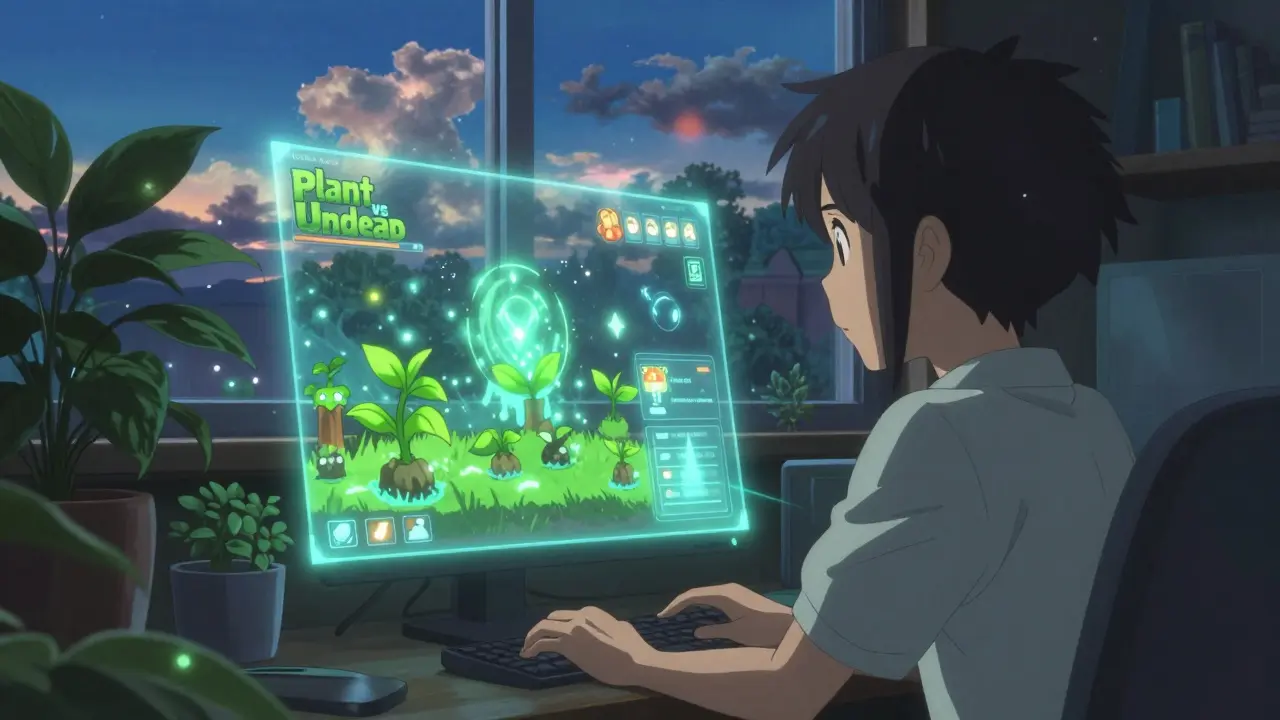
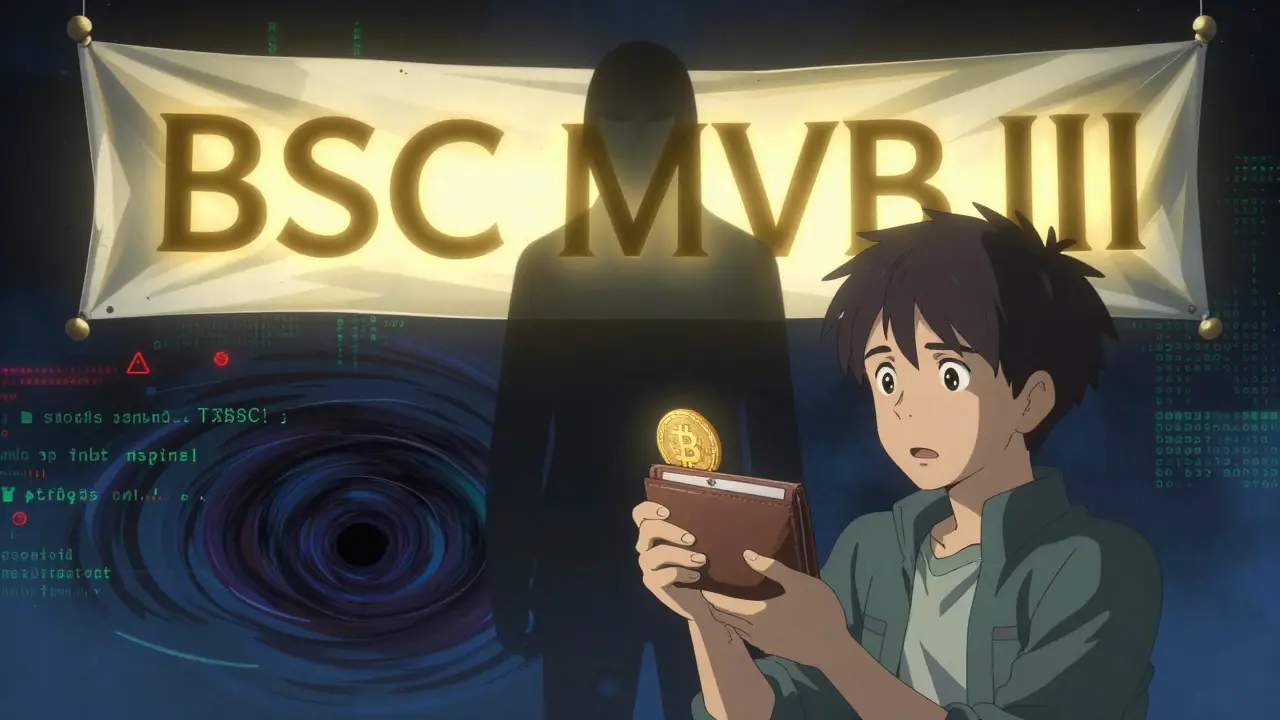
Something is circulating online right now that sounds too good to be true. You might have seen headlines or Telegram messages claiming there is a massive PVU airdrop linked to a "BSC MVB III" event by Plant vs Undead. The promise? Send in a small amount of tokens, get thousands back. It feels like free money, but in the world of crypto, if it looks like a trap, it usually is.
I’ve dug into the official channels, community forums, and blockchain data to separate fact from fiction. Here is the hard truth about this specific claim and how you can protect your wallet.
The "MVB III" Myth Explained
First, let’s break down the terminology. "MVB" stands for Most Valuable Builder, which is a program run by Binance to support top projects on their chain. "III" implies this is the third iteration of that program. While Binance does run these programs, there is zero evidence linking Plant vs Undead (PVU) to an official MVB III status or a related airdrop campaign.
Scammers love to borrow credibility. They take real concepts-like Binance’s MVB program-and mash them together with older, struggling projects like PVU to create a sense of urgency. If this were a legitimate Binance-backed event, it would be front-page news on CoinMarketCap, CoinGecko, and Binance’s own blog. Instead, the only mentions appear on unofficial fan wikis and random social media posts.
How the Fake PVU Airdrop Works
The mechanism behind this fake event is classic phishing. Here is the step-by-step trap they set:
- The Hook: You see a post claiming a pool of 1 million PVU tokens is available to celebrate reaching 1 million players.
- The Cost: To "claim" your share, you are told to send between 200 and 3,000 PVU tokens to a specific wallet address.
- The Promise: In return, you allegedly receive 2,000 to 30,000 PVU tokens instantly.
Let’s look at the math. If you send 3,000 PVU and get 30,000 back, that’s a 900% return. No legitimate business, especially not a gaming project with low trading volume, gives away 10x your investment for no reason. This is a "send-to-receive" scam. Once you send those tokens to the address provided (often something like 0xc0c3465Fdc5aD466b807dddE629C3C20224007Be), they vanish. There is no smart contract executing a reward; there is just a thief draining your wallet.
Is Plant vs Undead still active?
Yes, but its activity has shifted. As of late 2024 and early 2025, the project announced "Year 36" and "Year 37" cycles, indicating ongoing game operations. However, the focus has moved away from high-hype marketing to maintaining the existing farming mechanics on the opBnB chain. The lack of major new announcements suggests a maturation-or stagnation-of the project, making sudden huge airdrops highly unlikely.
Understanding the Real PVU Ecosystem
To understand why this airdrop doesn't make sense, you need to know how the actual game works. Plant vs Undead is a play-to-earn game built on the Binance Smart Chain (BSC). It uses two main assets:
- PVU Token: The primary currency used to buy NFT plants and trade on the marketplace.
- Light Energy (LE): A utility token earned through gameplay, used for watering plants and buying tools.
In the real game, you buy an NFT plant using PVU. You then water it using LE. Over time, the plant grows and rewards you with more LE. You can swap LE for PVU. It’s a grind. It requires time and initial capital. It is not a "click-and-win" lottery. The idea that you can bypass this entire economic loop by sending tokens to a stranger contradicts the core design of the game.
Red Flags: How to Spot Crypto Scams
This PVU incident is a textbook example of a crypto scam. Here are the universal red flags you should memorize:
| Tactic | What It Looks Like | Why It’s Dangerous |
|---|---|---|
| Send-to-Receive | "Send 1 ETH, get 2 ETH back" | No legitimate protocol requires upfront payment to claim free funds. |
| Fake Authority | Mentioning "Binance," "MVB," or "SEC" without links | Scammers use big names to lower your guard. |
| Urgency | "Claim ends in 24 hours!" | Forces you to act before you can verify the info. |
| Unofficial Sources | Links from Twitter DMs, random Telegram groups, or fan wikis | Official projects always announce via verified channels. |
If a message asks you to connect your wallet to a weird website or send tokens to a personal address, close the tab immediately. Legitimate airdrops usually require you to hold a token or interact with a contract-you never send value *to* someone to get value *back* instantly.
Where to Find Verified PVU News
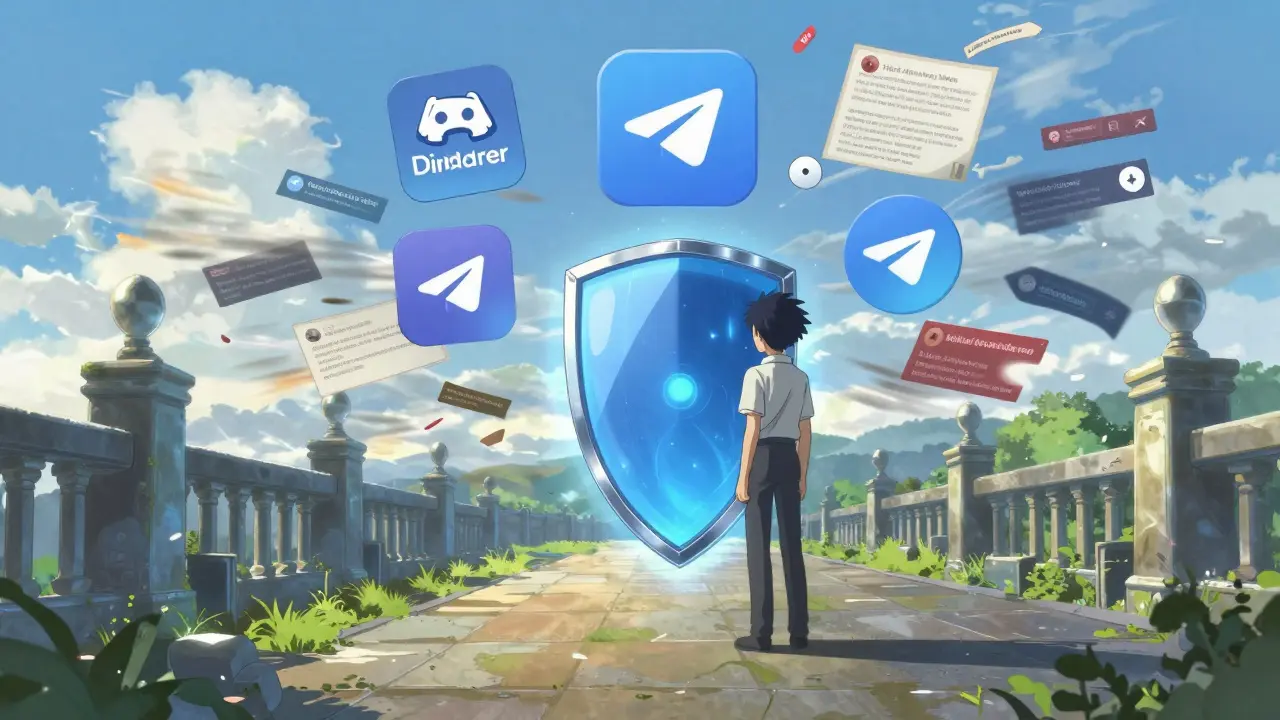
Don’t rely on rumors. Stick to the source. For Plant vs Undead, the only trusted information comes from their official Telegram announcement channel and their verified Discord server. Look for blue checkmarks on social media profiles. Check the URL carefully-scammers often create sites that look almost identical to the real one, like `pvu-airdrop.com` instead of `plantvsundead.com`.
As of mid-2026, the PVU token price remains low, hovering around fractions of a cent. This volatility makes it an attractive target for scammers who want to offload worthless tokens or steal valuable ones under the guise of a "bonus." Always cross-reference any news with multiple reputable sources like CoinMarketCap or CoinGecko before moving a single satoshi.
Protecting Your Assets in 2026
The landscape of crypto security hasn’t changed much: stay skeptical. Use a hardware wallet for significant holdings. Never share your seed phrase. And most importantly, remember that if an opportunity seems too complex or too generous, it’s likely a trap. The "BSC MVB III PVU Event" is a fabrication designed to exploit hope. Keep your keys safe, ignore the hype, and stick to verified gameplay mechanics if you choose to participate in the ecosystem.
Can I recover tokens sent to a scammer?
Generally, no. Blockchain transactions are irreversible. Once you approve a transfer or send tokens to a scammer's address, they are gone forever. Report the address to the platform you used (like MetaMask or Trust Wallet) and flag it on blockchain explorers, but do not expect a refund.
What is the current price of PVU?
Prices fluctuate daily, but as of recent data, PVU trades at approximately $0.0009 USD. Always check live charts on CoinMarketCap or CoinGecko for the most up-to-date valuation.
Is Plant vs Undead a scam?
The original game itself is not a scam; it is a functional play-to-earn project. However, it is surrounded by many scams. The project has faced challenges with liquidity and development pace, so due diligence is required. Never trust third-party claims about "free tokens" related to PVU.
What is Light Energy (LE) in PVU?
Light Energy is a utility token within the Plant vs Undead ecosystem. Players earn LE by playing the game (farming plants). It is used to pay for in-game actions like watering plants or buying temporary boosts. It can be swapped for the PVU governance token.
How do I verify if an airdrop is real?
Check three things: 1. Is it announced on the project's official website or verified social media? 2. Does it require you to send money first? (If yes, it's a scam). 3. Can you find independent verification from reputable crypto news outlets? If any answer is no, avoid it.